


Every Louisiana property owner knows the rhythm: June arrives, the Gulf warms up, and from then until November we all keep one eye on the tropics. From Baton Rouge to Lafayette, Houma to Lake Charles, hurricane season isn't a possibility here it's a certainty we plan around. And while most storm prep advice focuses on the house, generators, and supplies, there's another investment sitting in your barn or shed that deserves just as much attention: your equipment.
Your tractor, zero-turn mower, and UTV are worth tens of thousands of dollars combined and after a storm passes, they become some of the most valuable tools on your property. A tractor with a front-end loader clears downed limbs that would take days by hand. A UTV hauls debris, fuel, and supplies across ground a truck can't touch. But that's only true if your equipment survives the storm ready to run. This guide walks Louisiana property owners through preparing equipment before a storm, protecting it during one, and putting it to work safely in the cleanup that follows.
Before the Season Get Equipment Storm-Ready in June
The worst time to discover a dead battery or a hydraulic leak is the day after landfall, when every dealer, parts counter, and repair shop from New Orleans to Shreveport is slammed. Smart preparation starts at the beginning of the season, not the beginning of the storm.
Service everything now. A pre-season service fresh engine oil, clean filters, greased fittings, tested battery, inspected belts and hoses means your machines are dependable when you need them most. Louisiana's heat and humidity are already hard on equipment in a normal summer, so this maintenance does double duty; our guide to tractor maintenance for Louisiana weather covers how our climate uniquely stresses engines, electrical systems, and metal components year-round.
Stock critical spares. Keep on hand: extra filters, a spare belt for your mower deck, hydraulic fluid, a tire plug kit, and fuel stabilizer. After a major storm, supply chains into South Louisiana tighten fast the parts you stocked in June are the parts you'll have in September.
Test under load, not just at idle. Start the tractor, engage the PTO, lift the loader, run the mower deck. Equipment that "starts fine" can still fail the moment it's asked to work. Ten minutes of real operation reveals problems a driveway idle never will.
Fuel strategy matters. Keep tanks reasonably full through the season (condensation loves half-empty tanks in our humidity), treat stored fuel with a stabilizer, and maintain a rotated supply of fresh, properly stored diesel or gasoline. After a storm, fuel is often the scarcest resource in the parish.
When a Storm Is Coming The 72-Hour Equipment Checklist
Once the cone shows Louisiana, you typically have two to three days. Here's how to spend them wisely where your equipment is concerned:
Move machines to the best shelter you have. An enclosed barn or garage on higher ground is ideal. If your storage building is older or you're unsure it will hold, a machine parked in the open away from trees can actually fare better than one inside a structure that fails onto it. Never leave equipment under tree lines — falling limbs total more tractors than floodwater in many storms. For a deeper look at protecting machines from our climate generally, our post on extending equipment lifespan with smart Louisiana storage practices is worth a read before you decide where everything rides out the weather.
Think flood first in South Louisiana. If your property has ever taken water and much of Acadiana and the river parishes have elevation beats enclosure. Move equipment to the highest ground available, even if that means it sits outside under a secured tarp. Floodwater in an engine, transmission, or electrical system is catastrophic damage; rain on a hood is a wipe-down.
Remove or secure attachments. Lower loaders and implements to the ground, remove mower decks' loose components, and store lightweight attachments indoors. Anything that can catch wind becomes a projectile at 100 mph.
Disconnect batteries and photograph everything. Disconnecting prevents electrical drain and reduces fire risk. And walk around every machine with your phone serial numbers, hour meters, current condition. If you end up filing an insurance claim, those photos are gold.
Fill the fuel, park it nose-out. Full tanks, keys accessible, pointed toward the door. When the storm passes, you want to be clearing your driveway in minutes, not searching for keys and a fuel can.
After the Storm: Cleanup Season Is Equipment Season
This is when your machines earn their keep. Storm cleanup across Louisiana properties typically means downed limbs and whole trees, scattered debris, damaged fencing, rutted and saturated ground, and in flood events sediment and muck everywhere. The right equipment turns weeks of misery into days of work.
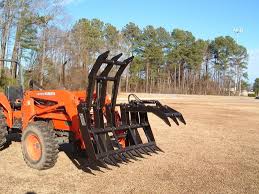
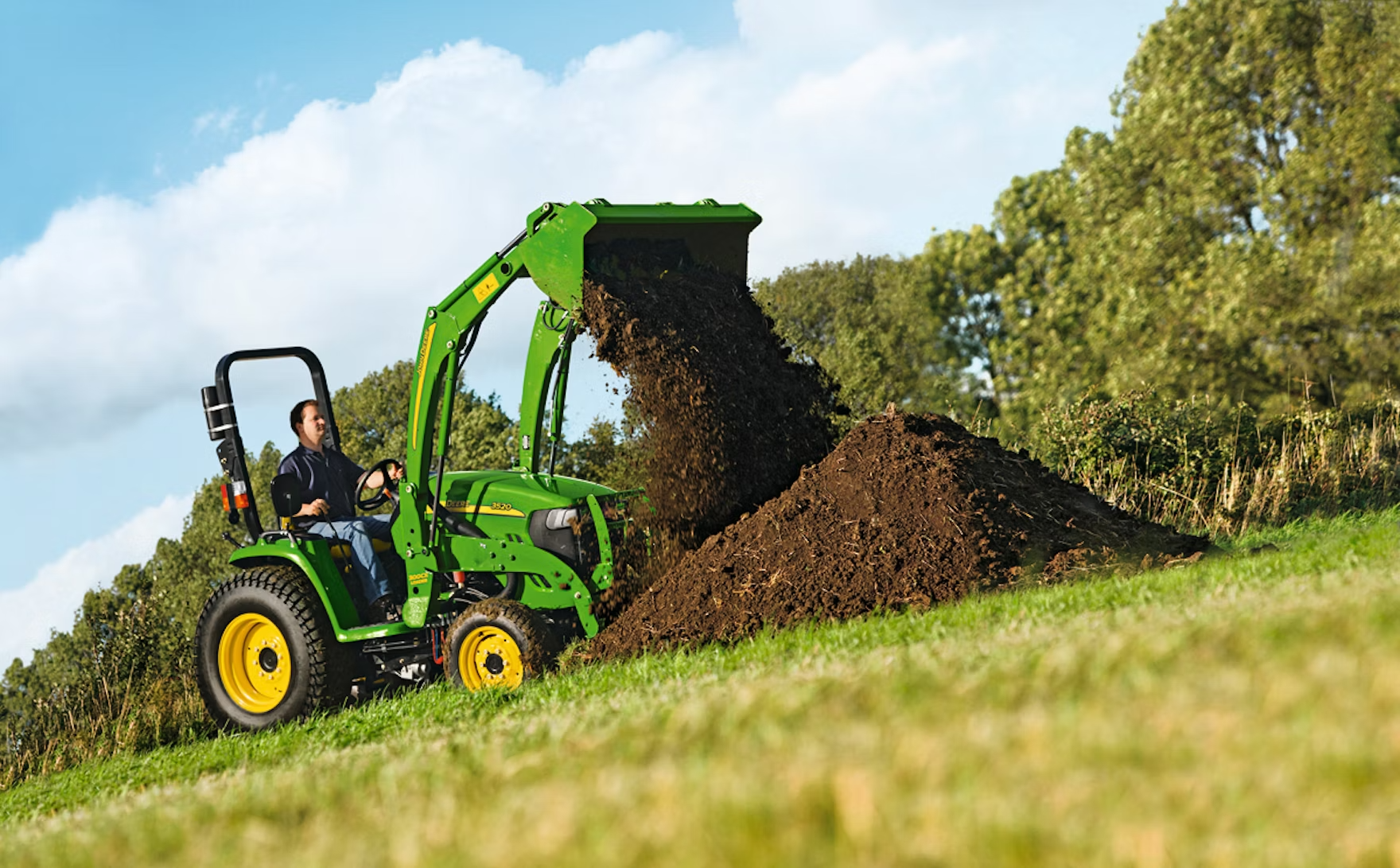
Compact tractors with loaders are the cleanup MVP. A front-end loader moves limb piles, drags trunks, and hauls debris to the burn pile or roadside faster than any other tool a property owner can run. Grapple attachments make brush handling dramatically safer than chaining and dragging. If you've been on the fence about moving up from a mower-only setup, storm cleanup is the use case that convinces most Louisiana landowners our overview of compact tractors for Louisiana property maintenance covers what these machines handle on a typical acreage, and our tractor horsepower guide will help you size an engine for loader work and rotary cutting rather than just mowing.
UTVs shine when roads and yards don't. After a storm, saturated ground swallows trucks. A UTV crosses soft pasture, hauls chainsaws and fuel to the back of the property, and carries debris in its bed all day on a few gallons of fuel. If a side-by-side isn't part of your setup yet, our UTV buyer's guide breaks down cargo capacity, terrain capability, and the features that matter for Louisiana land.
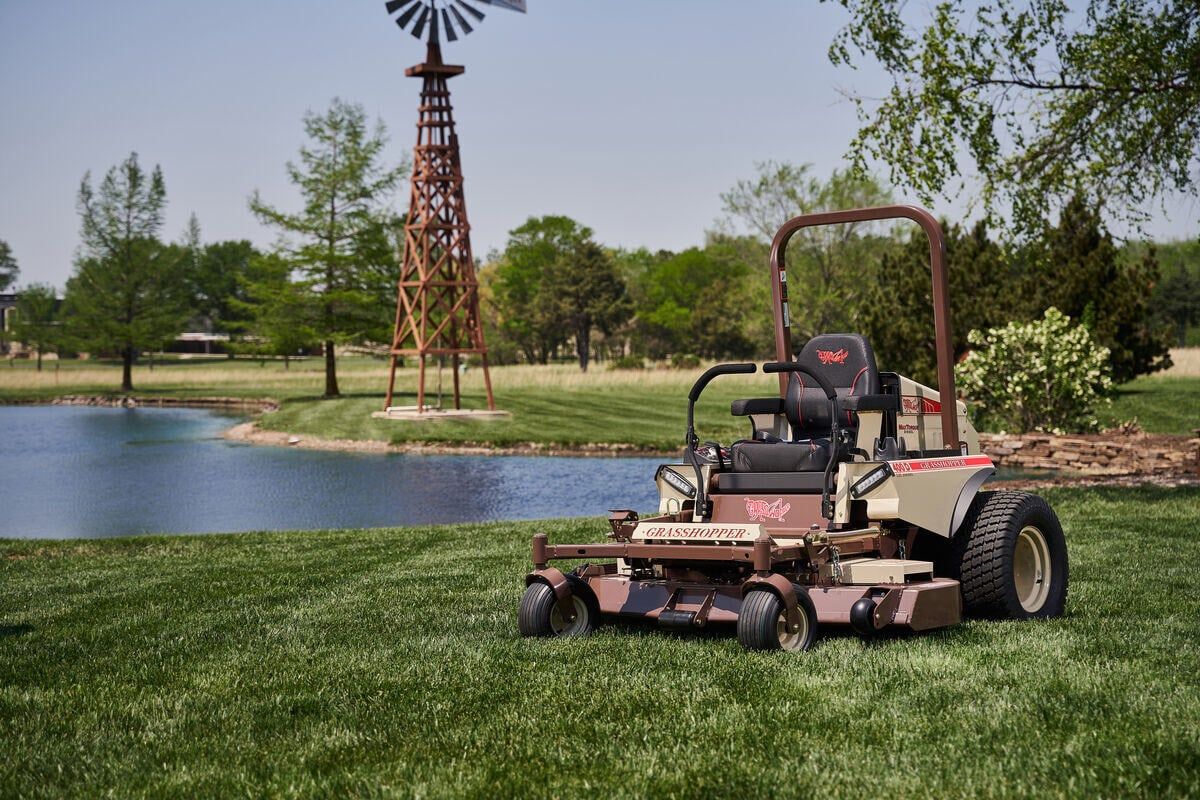
Mow smart, not soon. Resist the urge to mow storm-littered grass immediately. Hidden debris roofing nails, shingle fragments, glass, wire destroys blades and becomes dangerous shrapnel. Walk the ground first, pick up what you can, and raise your cutting height for the first pass. Many of the habits in our post on common mower safety mistakes become doubly important on a debris-strewn lawn, and if your machine does take a hit, our mower maintenance guide covers blade inspection and deck care.
Work safe around the real hazards. Downed power lines, leaning trees under tension, and unstable debris piles injure Louisianans every storm season. Never operate near lines, let professionals handle trees against structures, and know your machine's limits — a compact tractor asked to pull a trunk beyond its weight class is how rollovers happen.
If Your Equipment Took Damage or You Need More Machine
Flooded or storm-damaged equipment deserves a professional assessment before you turn the key; starting a water-intruded engine can convert repairable damage into a total loss. A local dealer's service department can evaluate, document for insurance, and get you back running one more reason the relationship matters, as we covered in why after-sale support from a local equipment dealer matters.
And if a storm reveals that your current setup isn't enough the mower that can't touch cleanup work, the property that clearly needs a loader you're not alone. Every hurricane season sends Louisiana landowners shopping for more capability. Whether that means stepping up to your first tractor or adding a UTV to the fleet, our complete guide to choosing the right tractor and farm equipment walks through matching machines to your acreage, and our post on owning vs. renting equipment in Louisiana helps you decide whether occasional storm cleanup justifies a purchase or a seasonal rental.
Ready for Whatever the Gulf Sends
Hurricane season is simply part of life in Louisiana but scrambling doesn't have to be. Service your machines early, stock your spares, know your shelter plan, and your equipment will be ready to protect your property instead of becoming another casualty of the storm.
Louisiana Tractors and Mowers is your local source for the tractors, zero-turns, UTVs, and implements that Louisiana properties depend on before, during, and after storm season backed by a service department that knows exactly what Gulf Coast weather does to equipment. Browse our tractors, mowers, and UTVs or contact our team to get your property storm-ready before the next system spins up in the Gulf.